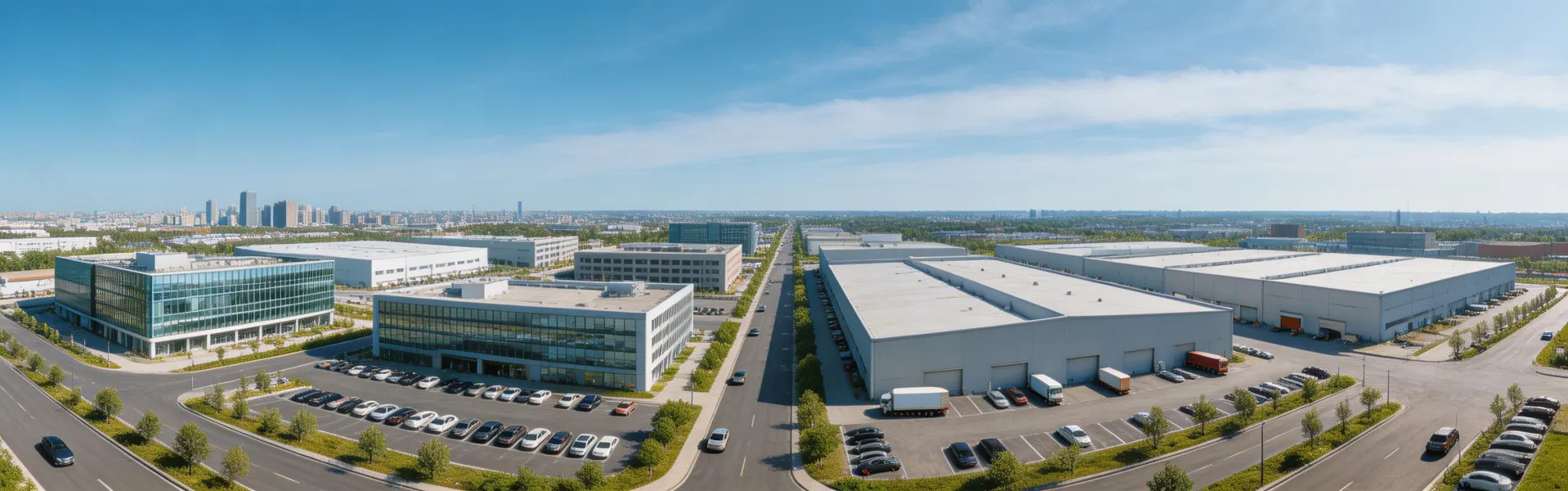
AirMaster Pro Industry Solutions
Purpose-engineered HVAC systems for facilities where environmental control is mission-critical. We understand the unique thermal challenges of each sector.
Purpose-engineered HVAC systems for facilities where environmental control is mission-critical. We understand the unique thermal challenges of each sector.
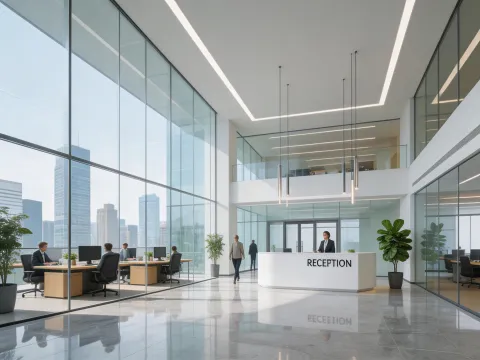
Office towers, retail centers, and hospitality facilities requiring precision comfort with occupant-driven demand profiles. Typical systems range from 50 to 1,500 tons cooling capacity, with variable-air-volume rooftop units and chilled water plants delivering SEER ratings of 14-20 depending on configuration. Energy costs in commercial buildings account for 30-40% of total operating expenses, making high-IPLV equipment selection critical.
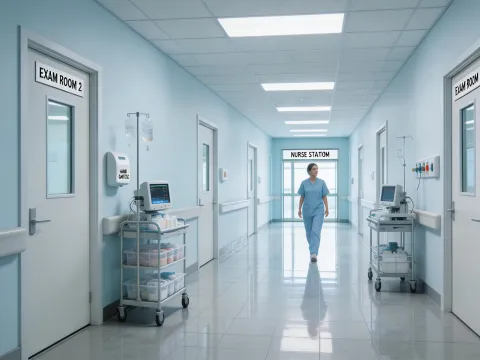
Operating rooms require 68-73°F (20-23°C) with 30-60% RH and 15-25 air changes per hour. Pharmaceutical cleanrooms (ISO 5-7) demand HEPA-filtered supply air, positive pressure cascades of 12.5 Pa between zones, and temperature stability within +/- 0.5°C. Our AHUs for these applications include redundant cooling coils and humidity controls to meet FDA 21 CFR Part 211 requirements.

Server halls require supply air between 64-80.6°F (18-27°C) per ASHRAE TC 9.9 guidelines, with sensible heat ratios of 0.85-0.95. Our precision cooling systems support power densities up to 15 kW/rack using raised-floor or in-row configurations with N+1 redundancy. For higher densities, we integrate with rear-door heat exchangers and chilled water distribution at 42-50°F (6-10°C) supply temperature.

K-12 schools and university campuses with variable occupancy from 200 to 5,000+ persons, requiring demand-controlled ventilation per ASHRAE 62.1 (minimum 15 CFM outdoor air per person for classrooms). Our VAV rooftop systems with CO2 sensing modulate outdoor air intake based on real-time occupancy, reducing heating and cooling energy by 20-30% compared to constant-volume systems while maintaining compliant IAQ levels.
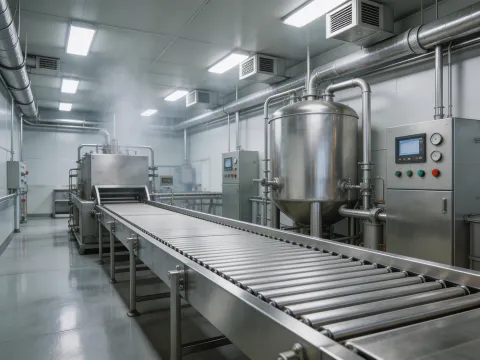
Processing lines and cold storage requiring HACCP-compatible designs with rapid temperature pulldown and recovery capabilities. Blast freezing applications demand evaporating temperatures of -35 to -40°C with air velocities of 3-5 m/s for product freezing within 90 minutes. Our systems use stainless steel construction with sloped drain pans and washdown-rated components to meet USDA and FDA sanitary requirements.
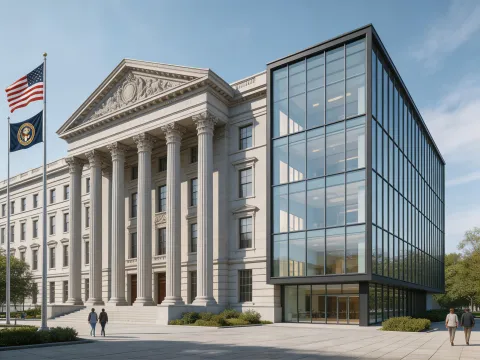
Federal buildings must comply with ASHRAE 90.1-2022 and Executive Order 14057 (Federal Sustainability Plan), targeting 65% greenhouse gas reduction by 2030. GSA P100 standards mandate minimum EER of 11.2 for packaged units above 5.4 tons. Our equipment meets or exceeds these thresholds, with BACnet-compatible controls for integration with federal BMS platforms.
Selecting the right HVAC configuration requires understanding each application's constraints. Below are key technical boundaries and trade-offs our engineers evaluate during system design.
Our application engineers design HVAC systems tailored to your industry's specific thermal, air quality, and reliability requirements.
Discuss Your Project